2. Core Areas of Science Consultancy & Training
Developing Disciplinary Literacy in Science Success in Science is inextricably linked to a student’s ability to navigate complex texts and master Tier 3 vocabulary. Our training focuses on explicit instruction in the etymology and morphology of scientific terms—leveraging Greek and Latin roots—to help students decode the language of the laboratory. This ensures all learners, regardless of their starting point, can articulate scientific concepts with precision and confidence.
The KS2 to KS3 Science Transition One of the most significant barriers to progress in secondary science is the “repeat phenomenon,” where students lose momentum by re-performing Key Stage 2 experiments in Year 7. We help schools design a cohesive Scheme of Learning (SoL) that bridges the gap between primary and secondary phases. By identifying and building upon prior knowledge, we ensure seamless curriculum progression and maintain the scientific curiosity vital for long-term engagement.
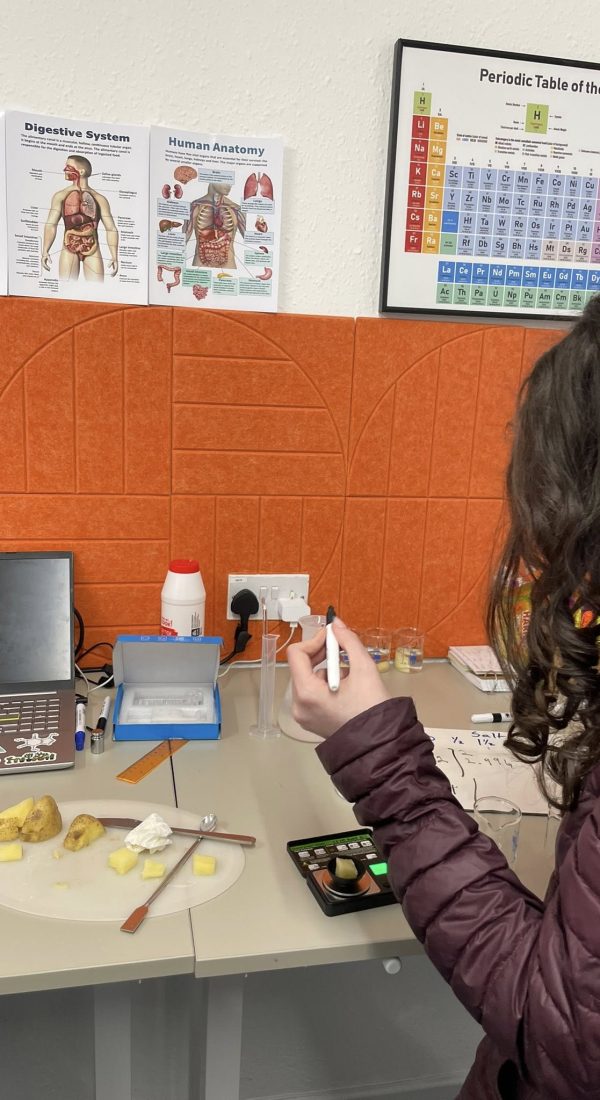
Scientific Inquiry and Practical Confidence We support departments in embedding the “Working Scientifically” strands into the core of their curriculum. Our sessions focus on implementing evidence-informed strategies to increase student confidence in practical work, from foundational KS3 skills to the rigorous demands of GCSE Required Practicals and the A-Level Practical Endorsement. We provide teachers with the tools to manage practical sessions effectively, ensuring high-impact learning for all ability levels.
Inclusive Science Pedagogy and Reasonable Adjustments Science education must be accessible to all, yet the laboratory environment can present unique challenges for students with SEND. We specialise in integrating science pedagogy with inclusive best practices, focusing on cognitive load management and reasonable adjustments. Our guidance ensures departments remain compliant with statutory requirements while promoting high levels of engagement and safety for every learner.